
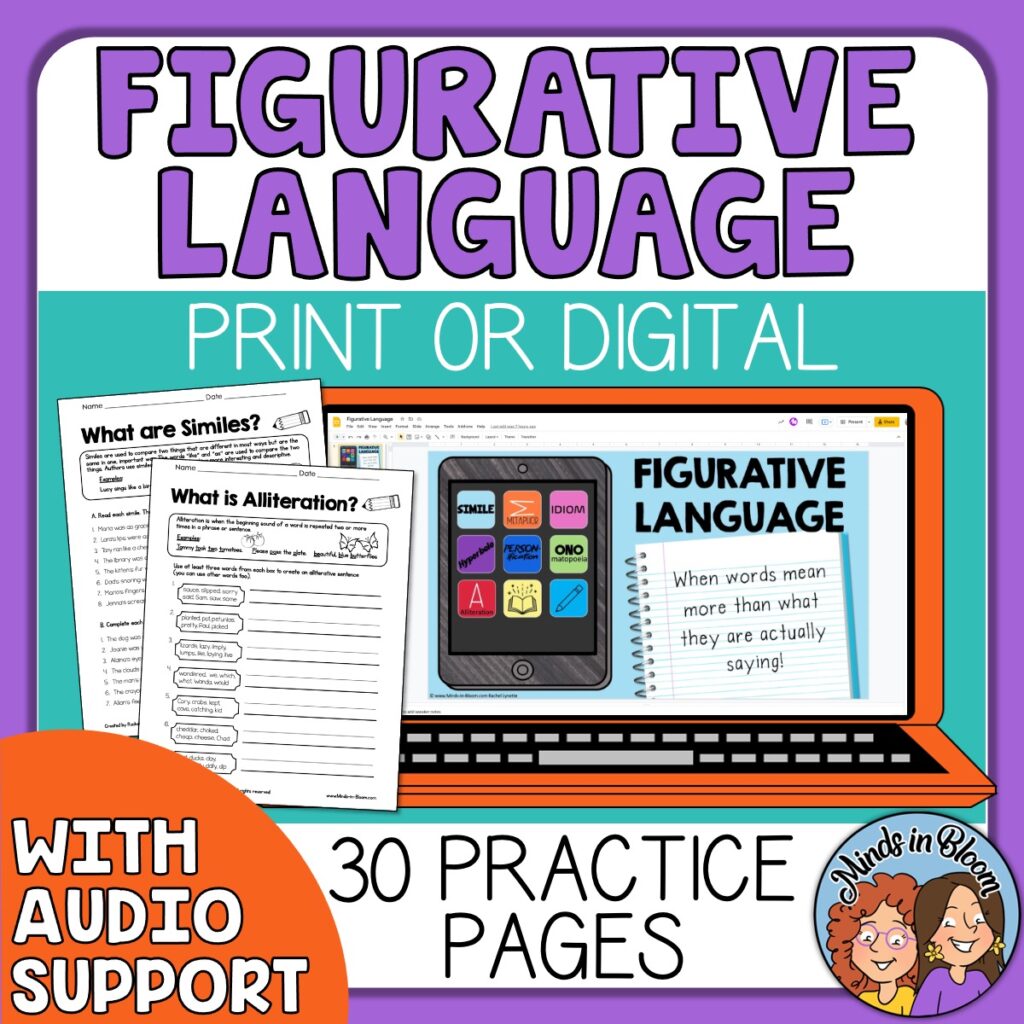
30 Figurative Language Worksheets that focus on similes, metaphors, idioms, hyperbole, personification, onomatopoeia, and alliteration.
These worksheets are great for no-prep practice of the 7 most common types of figurative language. Each type of figurative language includes an introductory page with a definition and examples. The rest of the pages provide opportunities for practice.
WHAT’S INCLUDED:
✍️ PRINT:
- 30 printable worksheets
- Recording Sheets
- Answer Keys
- Google Slides
- Easel Activity
Great for 3rd, 4th, or 5th grade!
CHECK OUT THE PREVIEW TO SEE A LOT MORE!
NOTE: This resource uses American English and is not editable.
This resource includes the following practice pages:
- What are Similes?
- Complete the Simile
- Writing Similes
- Similes Mix and Match
- What are Metaphors?
- Metaphor Practice
- Verb-Based Metaphors
- Simile or Metaphor?
- Similes and Metaphors in Literature
- What are Idioms?
- Draw that Idiom
- Idiom Body Parts
- Animal Idiom Bingo
- What is Hyperbole?
- Finish the Hyperbole
- Make it Hyperbole
- What is Personification?
- Personification Practice
- Personify It
- What is Onomatopoeia?
- Onomatopoeia Practice
- Onomatopoeia Brainstorm
- Onomatopoeia Story
- What is Alliteration?
- Alliteration Practice
- Figurative Language Practice
- Figurative Language Challenge!
- Figurative Language Venn Diagram
- Figurative Language Outside
- Figurative Language in Literature
- Answer Keys
- Common Core Standards
Teacher Tip
- This product will work well for independent learners because there is a definition for each type of figurative language along with examples. Your student should be able to complete the tasks independently!
Here’s what teachers are saying:
✏️ “This was an outstanding find!!! We used this product this year when teaching figurative language, and it was such great practice for the students. I love how clearly it was laid out with the reference information and the practice portion. THANK YOU SO MUCH!” -Elyse Jahnke.
✏️ “These were the best review for my kids! They were struggling with the difference between several types of figurative language, but this helped them grasp it.” -Tiffany C.
✏️ “A great resource. Thanks so much. I especially liked the help teaching metaphor because that’s tough. It’s nice to provide the students with many examples. Nice work.” -Julie A C.
SKU: 171493
-
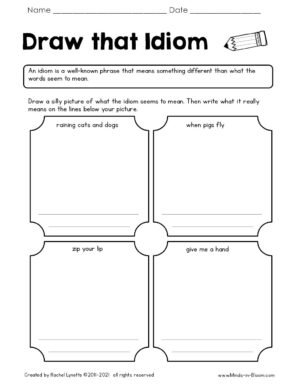 Draw that Idiom
 -
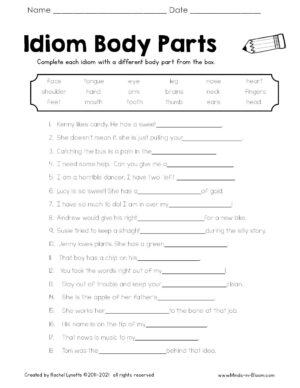 Idioms – Body Parts
 -
 What are metaphors?
 -
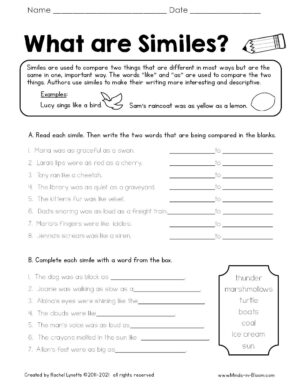 What are similes?
 -
 Google Slides – Figurative Language – Challenge
 -
 Google Slides – Figurative Language – Overview
 -
 Google Slides – Figurative Language – Personification
 -
 Google Slides – Figurative Language – Similes and Metaphors
 -
 Google Slides – Figurative Language – Idioms
 -
 Google Slides – Figurative Language – Metaphors
 -
 Google Slides – Figurative Language – Similes
 -
 Google Slides – Figurative Language – Hyperbole
 -
 Google Slides – Figurative Language – Onomatopoeia
 -
 Google Slides – Figurative Language – Venn Diagram
 -
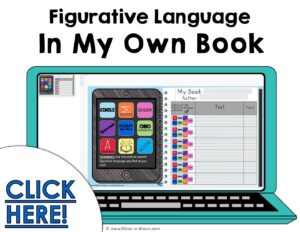 Google Slides – Figurative Language – Finding Figurative Language in What You’re Reading
 -
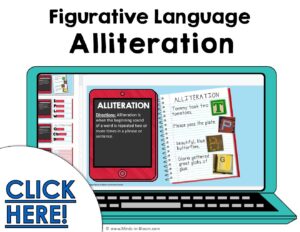 Google Slides – Figurative Language – Alliteration
 -
 Figurative Language Venn Diagram
 -
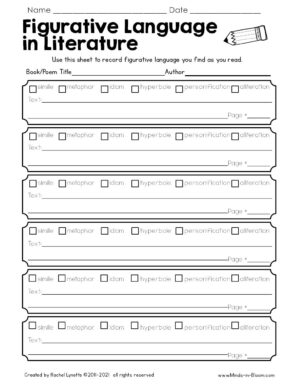 Figurative Language in Literature
 -
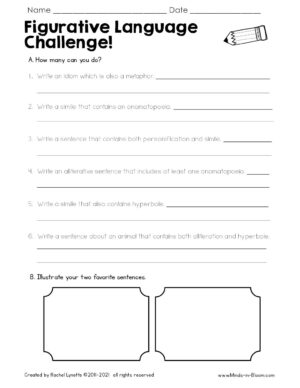 Figurative Language Challenge
 -
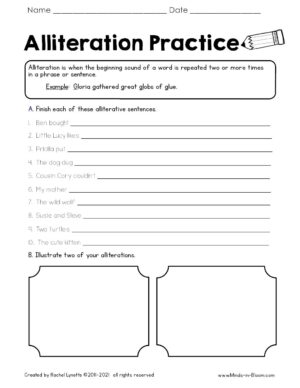 Alliteration Practice
 -
 Figurative Language Practice
 -
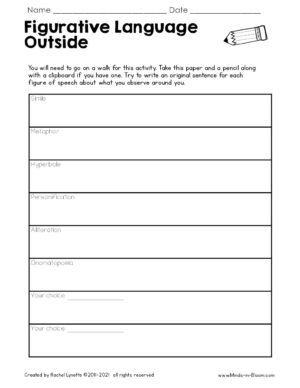 Figurative Language Outside
 -
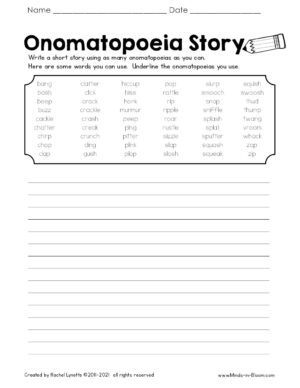 Onomatopoeia Story
 -
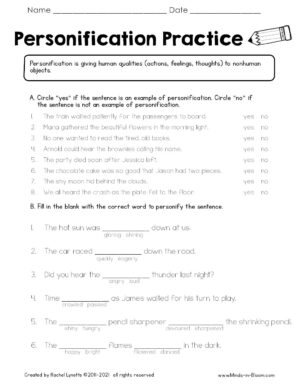 Personification Practice
 -
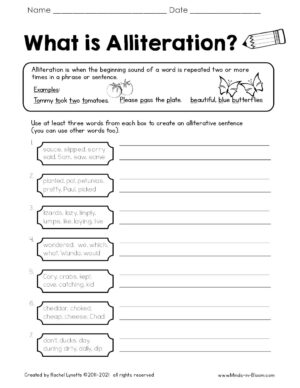 What is Alliteration?
 -
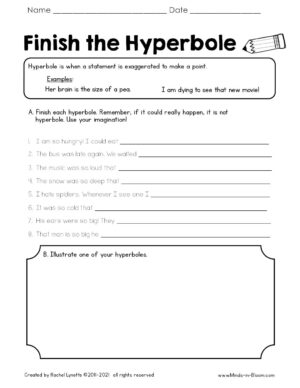 Finish the Hyperbole
 -
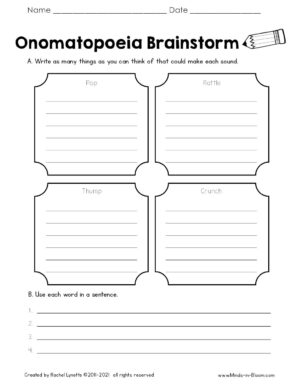 Onomatopoeia Brainstorm
 -
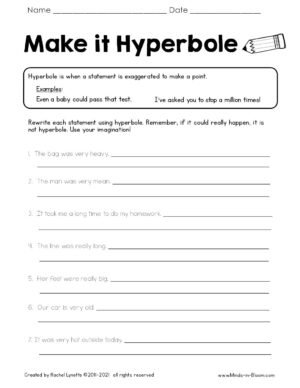 Make it Hyperbole
 -
 Personify It!
 -
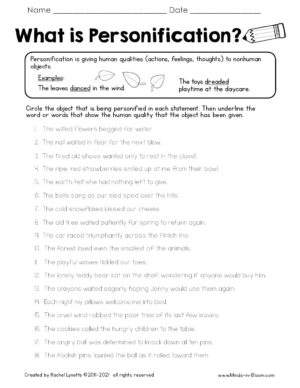 What is Personification?
 -
 What is Onomatopoeia?
 -
 Onomatopoeia Practice
 -
 Similes and Metaphors in Literature
 -
 draw that Idiom
 -
 What are Idioms?
 -
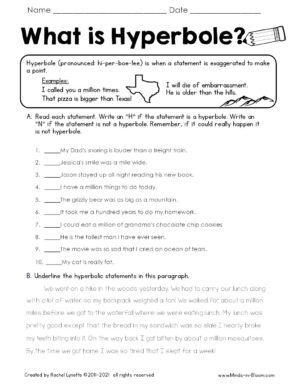 What is Hyperbole?
 -
 Simile or Metaphor?
 -
 Verb-based Metaphors
 -
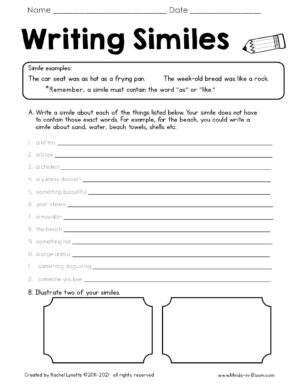 Writing Similes
 -
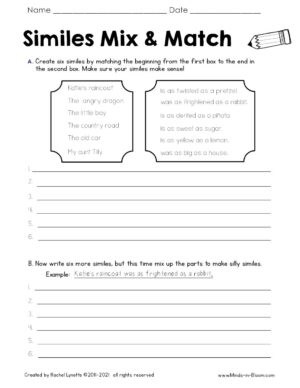 Similes Mix and Match
 -
 Writing Metaphors
 -
 Complete the Simile